JAMIE
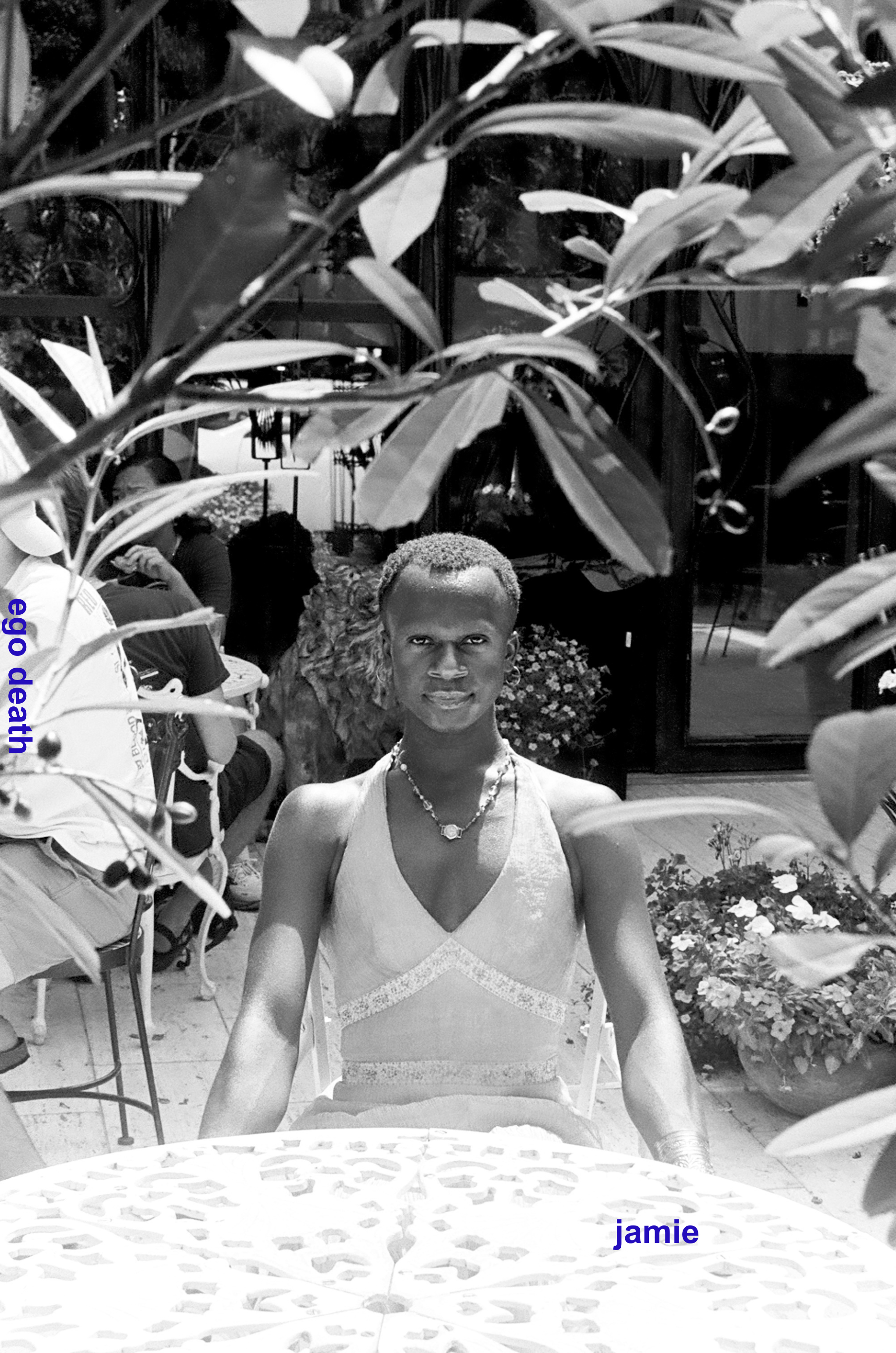
Back in freshman year, we were old enough to live alone, but too young to go to bars, so a group of us often ended up gathering in Jamie’s dorm. The background music of our conversations would become a spell over our bodies, and soon enough, a mini dance party would erupt. Mini meaning eight of us, probably a little drunk, taking up every space possible with twists and spins. In those moments, I learned more about Jamie through observing the way they danced so freely. Because of them, I was empowered to dance too, probably terribly, but in ways I hadn’t allowed myself to before.
Jamie and I spent most of college within orbit. In passing by we’d give a warm hello. They’d sway past, always with an eclectic set of jewelry, intentional layered statement pieces, sometimes a new hair color. I’d always squeeze in a compliment before we were on our separate ways.
The following interview was probably the first real lengthy conversation since our first year of college.
To me, Jamie always seemed so sure of themself, gracefully. In watching them dance, there was an undeniable confidence in the way they move through the world. I learned that this sureness was something they had built through their art:
Their curiosity, fluid, pulls them in many directions. For a long time, that movement felt like uncertainty, as if there’s a “right” version of them somewhere waiting to be chosen.
It was never about choosing the right version. It was about finding the one that felt true. Theater. Dance. Music. They’re all ways of trying on the self.
In understanding their soul, maybe you can understand yours too.
WELCOME TO EGO DEATH.
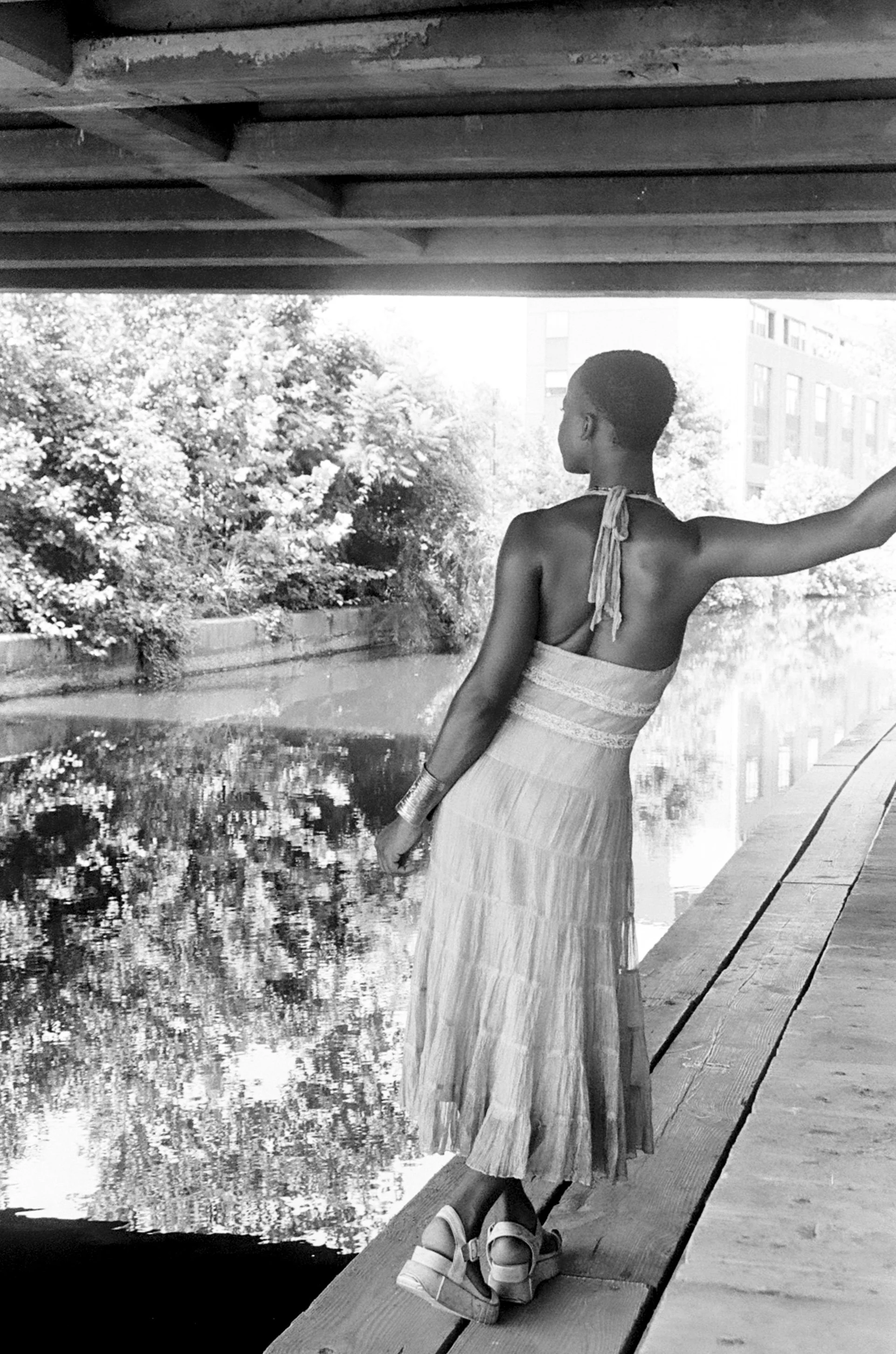
Jamie led us along a trail that hugged the Schuylkill River. We crossed paths with people quietly fishing, others on their midday run, and a friend of Jamie’s whom we paused to talk to. We eventually landed on a little bench shaded by green. The river wandered ahead of us.
We spoke about the uncertainty of identity, how it’s constantly in motion. I asked if that ever scares them, they responded, “It scares me a shit ton.” They reflected over the past couple of months, undergoing many mini existential crises. “I'm like, what the fuck am I doing? Who the fuck am I? What the fuck? About literally everything.” I laughed with both empathy and appreciation for their authenticity.
In the peak of their calamities, they crave normalcy more than anything else. Normalcy being a quiet mind, without the nagging pressure to have everything figured out. Their identity, work, friends.
Their process of finding normalcy comes by reaching into past versions of themself that are dealing with similar dilemmas. “Something that I have worked on a lot in therapy is this idea of an internal family system. So you have all of these parts of you that have been developed through these pivotal experiences in your life. And when you are an adult, all of these parts show up when you approach a similar experience.”
Maybe that voice yearning for normalcy is them, as a child, pulled in many directions, feeling lonely in their differences, and unsure in their queerness.
“So right now, the work I'm doing is to sit with those parts of myself and say it's okay to feel like I don't have things figured out.”
Jamie felt different than others growing up. While they didn’t yet have the language to understand those feelings, they had music. Whether they were singing, dancing, creating, or simply consuming it, music became a home for them. “I actually started making music when I was 7 or 8. That’s when I wrote my first few songs. One of which was about my mom finally getting rid of my car seat, which I admittedly held onto for a little too long.”
They were also consuming music in more ordinary ways, “I really liked the show Victorious and would watch it all the time.” They would sing along to episodes and dance around, “I remember, when I was nine or ten, my granddad said to me, ‘If you're watching the TV so much, you just need to become an actor.’” Some time after this conversation, ironically, Jamie ventured into the world of theater combining their love for acting and music. In eighth grade they performed in their first musical, Cinderella, and it illuminated a new path for them.
“What I found in [theater] was just a sense of comfort, acceptance, and freedom that I didn't necessarily feel like at home, being like a young queer child. And even though I didn't have the language for my queerness when I was that age, I knew that there was something about me that made me, like, not align with standards of masculinity. And not want to just do certain things that were expected of me because I was ‘a boy.’ So there were some things that started to break down in my mind the more I engaged with art.”
That early instinct to conform followed Jamie into friendships, where connection didn’t always come easily. “I kind of struggle to make friends. In elementary school, when I had one friend, I was like, this is awesome. I got my person to talk to, and I'm good.”
As they grew into more friendships, Jamie realized it wasn’t as simple as having “your person.” Real connection required depth. A willingness to be seen. Things that didn’t always align with expectations placed on masculinity. So when Jamie finally let their guard down and told close friends, “I’m actually having a really hard time right now,” the response wasn’t what they had imagined. The usual comfort and understanding that’s given to someone struggling wasn’t granted to Jamie in the way they needed.
They still struggle with this today, “that's my thing, I'm what they call a people pleaser.” They said “I feel like I need to save the people around me, so I can't be going through anything myself.” Through trial and error in friendships, they learned what made them an “easy” person to get along with.
Theater, though, embraces the complexities of humanity. It gave Jamie permission to open up in a way the outside world hadn’t, “The nature of [theater] doesn't allow you to shield these parts of yourself that we're asked to shield in order to fit in. And so when you have to get involved with a character's life, it just automatically starts to make you question things about yourself that you wouldn't otherwise.”
“It’s something I’m still working on,” Jamie said. “Putting myself first, but not putting myself first and forgetting about everybody else.” They laughed at the contradiction. “I love the idea of exploring extremes before finding the middle. Especially in your twenties. For me, there’s no other way to figure something out than doing it too much, doing it too little, and then being like, oh… I can be cool about this.”
On stage, Jamie morphed into whoever they needed to be. Not to accommodate others, but to explore. To play. To push against the boundaries of the roles they had unconsciously accepted offstage.
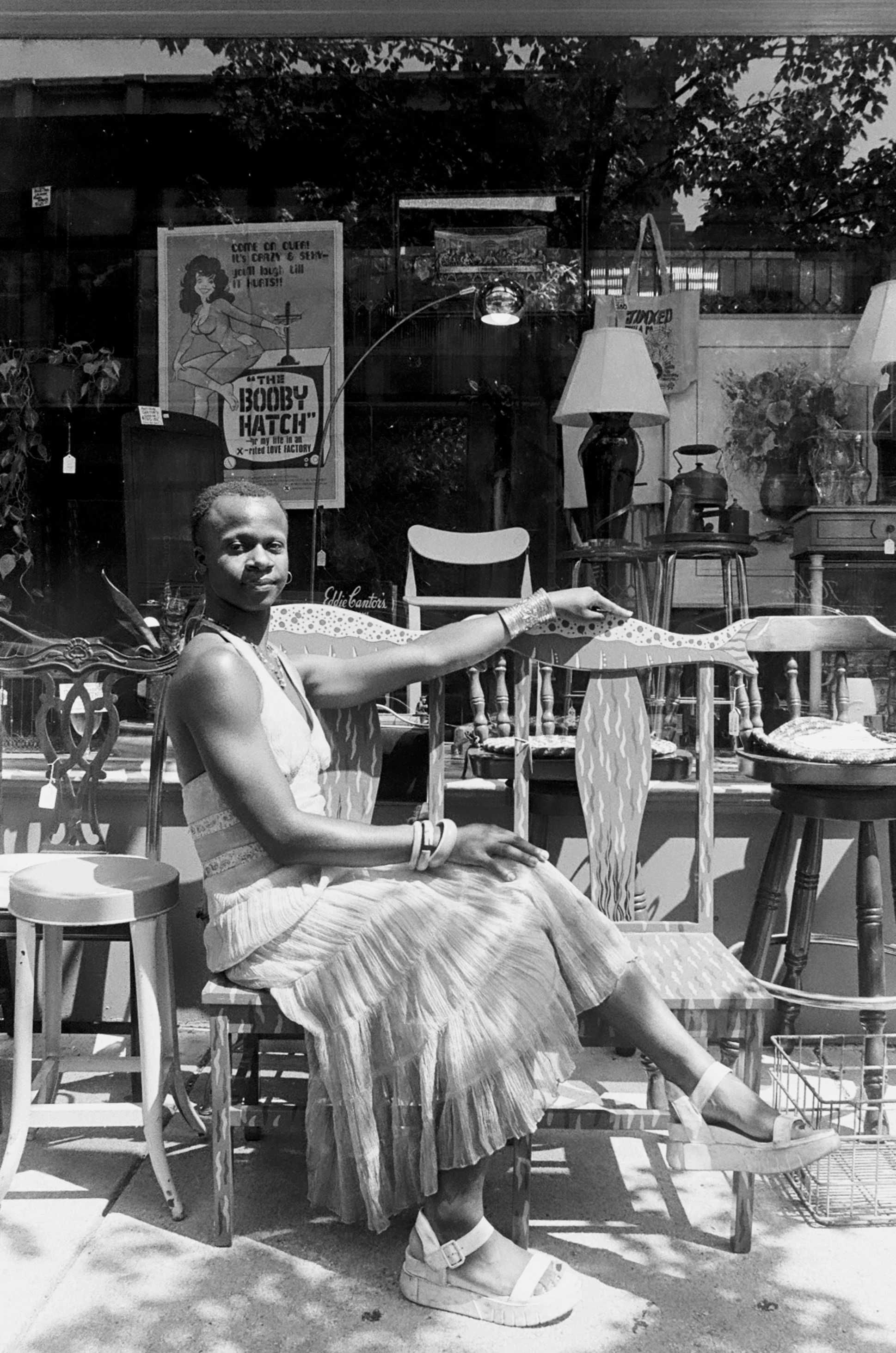
It was at times daunting to have such a curious spirit, “it never felt like I could really find my life lane, and the question that just gnawed at me a lot was ‘what am I gonna do?’ Cause every time I thought I figured it out, I would discover something else.”
Aside from the theater, Jamie was a sponge, desperate to both soak up the world around them and wrung out through any outlet available “there was nothing that didn't interest me in some capacity.” Jamie called themself a “jack of all trades,” loving books, escaping through fantasy, making up songs around the house, while also finding joy in the maths and sciences.
When it came time to consider high schools, Jamie initially thought to apply to English or science focused programs. But at the high school fair, they came across the table for the Baltimore School for the Arts and envisioned a different future. One aligning with their desire to perform and create.
With little hesitation, they applied for the Baltimore High School of the Arts, in two fields, Theater and Instrumental (cello). When they forgot a couple of lines in their theater audition, they thought it certainly sabotaged their chances.
Despite it all, Jamie’s was only accepted for theater.
“I was able to kind of find that safe haven at my high school.”
Being accepted to the program felt fated. Offering them one lane, with a community of others, garnering similar experiences to Jamie. Where identity could unfold however it wanted, on their own terms.
“I found the freedom to explore my queerness through the act of playing pretend. That practice revealed to me that if I could do something onstage that garnered genuine reactions from people, there must be some sort of ‘acting’ going on in our real lives. I reflected on the ways I had been encouraged to ‘act’ and embraced that I had a choice—and a duty—to connect with my innermost desires over who I get to be in the world.”
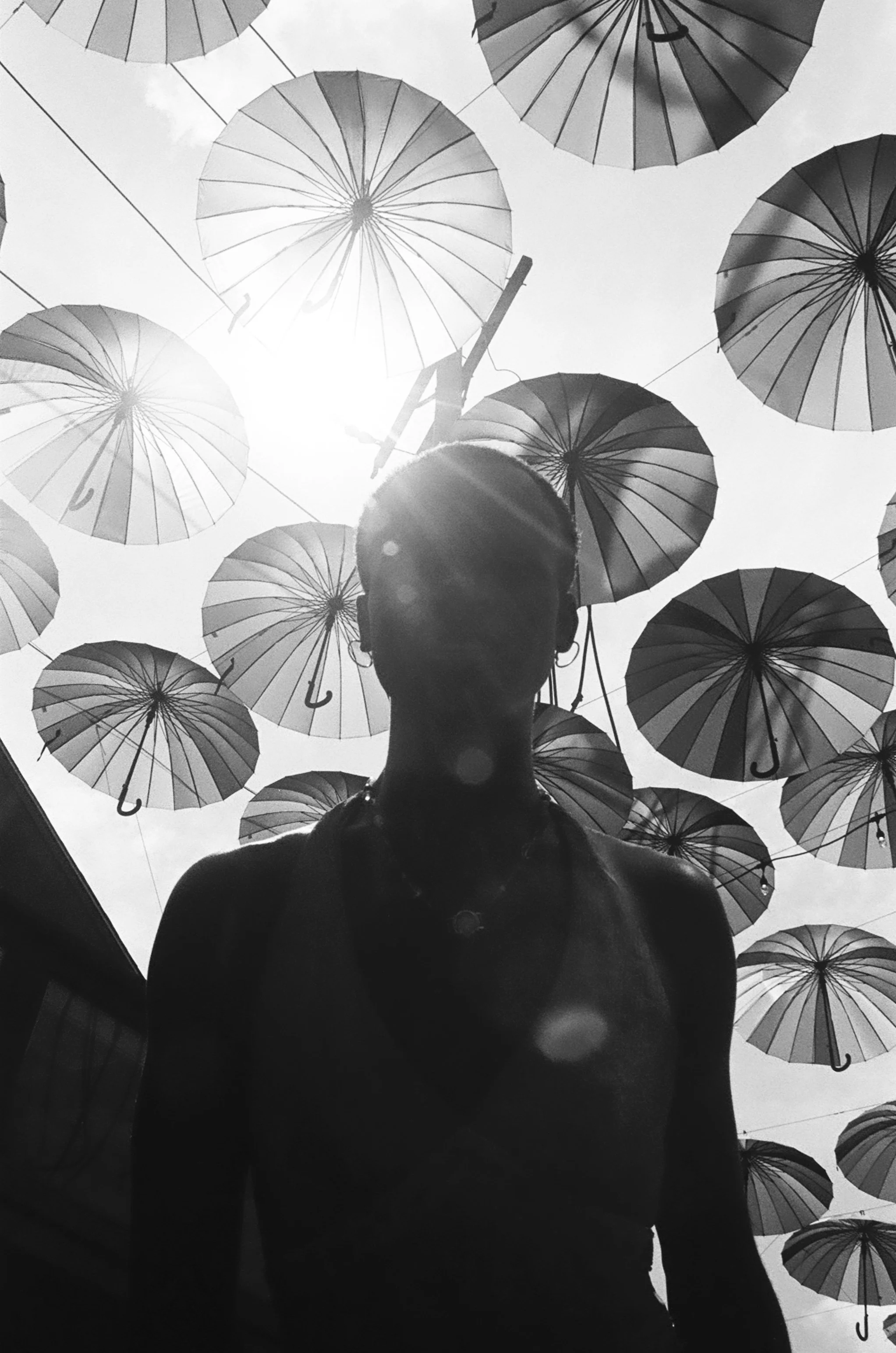
Theater followed Jamie into college at Temple University, in Philadelphia, where they declared a musical theater major. It was an easy decision and a way to keep music and performance intertwined, to keep feeding their curiosity.
Their new chapter in Philadelphia rearranged everything. New expectations. New people. New pressures. Jamie wasn’t sure where to place themself in the middle of it all, so they opted for being everywhere at once. “I was so burnt out. I had just finished a play, I was playing several roles, one of them being God,” I found it almost comical, considering that in real life, they had pressured themself into a role of omnipresence, much like God. “I was having so much trouble keeping up in my honors courses, let alone taking care of myself. I was putting out so much of my energy between school, theatre, and potential romances that I felt physically sick.” Although they were studying their passion, they said, “I felt like the furthest for myself.” But in retrospect, “I was just getting closer to myself without releasing it.”
After that semester, Jamie ventured to a new place, Logan, Utah to work a theater job for the summer. They called it their “saving grace.” The town, they described, was submerged in green and ringed by mountains, “the minute I got there, I was just like,” Jamie paused, letting out a breath as their eyes drifted toward the water. In Logan, they could escape the life they were living in Philadelphia. But they couldn’t escape themself.
They took Logan as a chance to understand what kind of life they wanted to live. Instead of a complete getaway, Jamie could redefine the path they were leading. By means of this, Jamie rediscovered love for music making, “I had gotten really into music production and songwriting while in Utah. I actually released my first two songs while I was there.” It was the first time in a while that they were making something purely for their own joy, without assignments attached.
For a moment, they wondered if leaving school entirely might be the answer. Without it, they could submit themself entirely to their craft, creating a life within it.
But distance and therapy clarified that school wasn’t entirely to blame. It was the way they had spread themself so thin. Mistaking overcommitment for passion. That next fall semester, they were scheduled to be on the board of a student-run theater group, assistant direct a mainstage show, and carry 16–18 credits.
“The most important thing I realized was that I could say no.” And they did. They reduced their credit load for their next semester, stepped down from assistant directing, and left the student-run theater group.
Maybe it was better for them to make room for themself. To understand the artist within Jamie and their needs as a creative. How their art divorced from academics is an essential part of sustaining their soul.
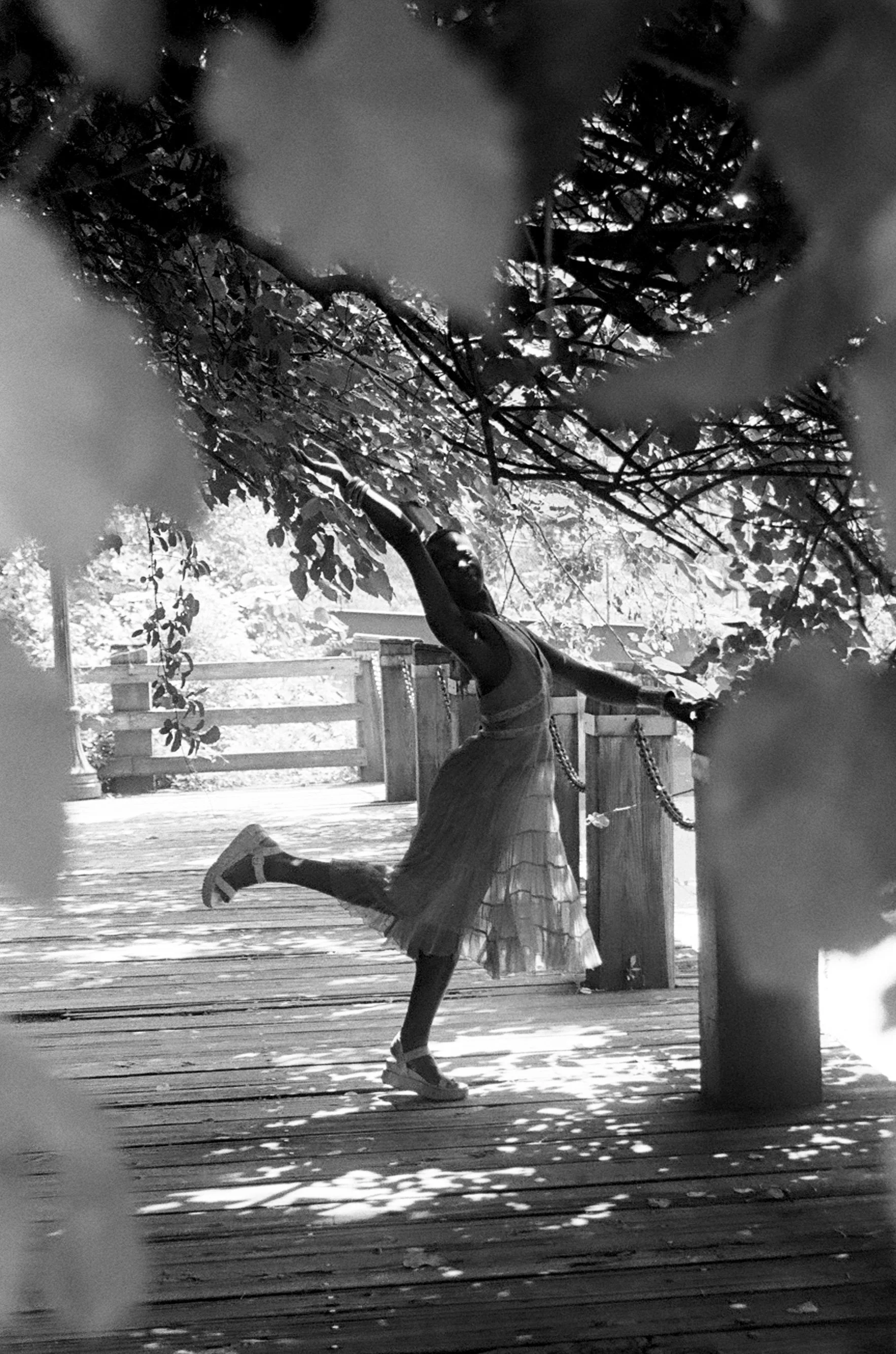
For the first time since they were ten years old, Jamie completely returned to music making. Oftentimes, as a form of refuge. “Anytime I was stressing over something socially, academically or just generally overwhelmed I built the practice of pulling out my journal and writing a song.”
Jamie paused when I asked whether songwriting feels like reclaiming emotions or releasing them, “It’s a form of letting go, yet the feeling never truly disappears. By confronting it, I’m given the opportunity to understand something new about myself.”
Jamie started writing their EP, “EDEN” in October of 2024, “I kind of wanted that to be an album, but the idea of an EP is that it's a little, like less linear and less constructed and less of a direct message. So I feel like I still have some more freedom to have some songs in there that weren't necessarily in line with some art. But I knew that the next thing I wanted to do was make an album,” and after their EP, they started their journey in creating GENESIS.
“The entire [album] was focused around this being the genesis. The beginning. I wanted everything to feel like emotion. I didn't want it to feel like any of these deep feelings that I'm writing about were figured out. The writing of the song was me working through the feeling and giving it a name. Not knowing how to deal with it, but at least giving it a name, knowing where it came from and starting to come up with some ideas for how I might protect it. How I might be careful with it, how I might use the information I can get from it to do something adaptive.”
“In the process of writing most of these lyrics, I was intentionally writing through some of these deep moments of grief and despair,” In doing this, listeners are with Jamie in the present moment, experiencing their untouched emotions.
The third track, '“SOFT SHELL,” was written through tears. The introduction of the song feels ascendant. The production lifts gently, as if stepping outside the body for a moment, hovering long enough to look back at it. In that distance, it encourages something deeply introspective. We can feel Jamie examining themself from another realm, “At the time I was reorienting my relationship with my body as it related to my gender identity and sense of self. I was uncovering all this damage I had done to my body, physically, emotionally, spiritually, without giving my body time to heal or even acknowledging I had faced harm in the first place.”
The song originated from a dream. In it, Jamie pushed a broken-down car into a garage and said aloud, I should treat this like I care about it. That single line became the foundation of the song:
“SOFT SHELL” lyrics:
I should treat this like I care about it
Too many dents I keep my eyes closed
Someone might take this from me
Maybe it deserves a new home
This piece of junk can’t bear the pain but I can
Even when I’m all alone
Cover up the bruise efficiently
Just needs some makeup then she’ll run along
Glory through pain
Love is the same
Patched her up from overflowing
What’s her name?
June
But by the end, the instruments fall away and what remains sounds like a heartbeat. After drifting upward. Here, I like to think Jamie returns to themself.
“After finishing [GENESIS], I felt like I had let something go, it felt like the period to all of this. After I had spent all of this time getting in touch with these excommunicated parts of myself, these negative attachments I had to certain experiences and going even deeper into these things by writing about them, I was finally able to take a big step forward personally. I could start thinking about the ways that I wanted to start growing from the things that I uncovered for myself. It just felt complete, I felt excited, and joyful. When I was finally able to just look at the cover and see all the songs and say ‘I did that’ it’s still every time I look at it, it brings me a sense of comfort.”
Jamie is already planning their next album. This time, they’re giving themself at least two years to complete it. There is no rush. If GENESIS was about sitting in the beginning, perhaps what comes next will be about what grows from it.
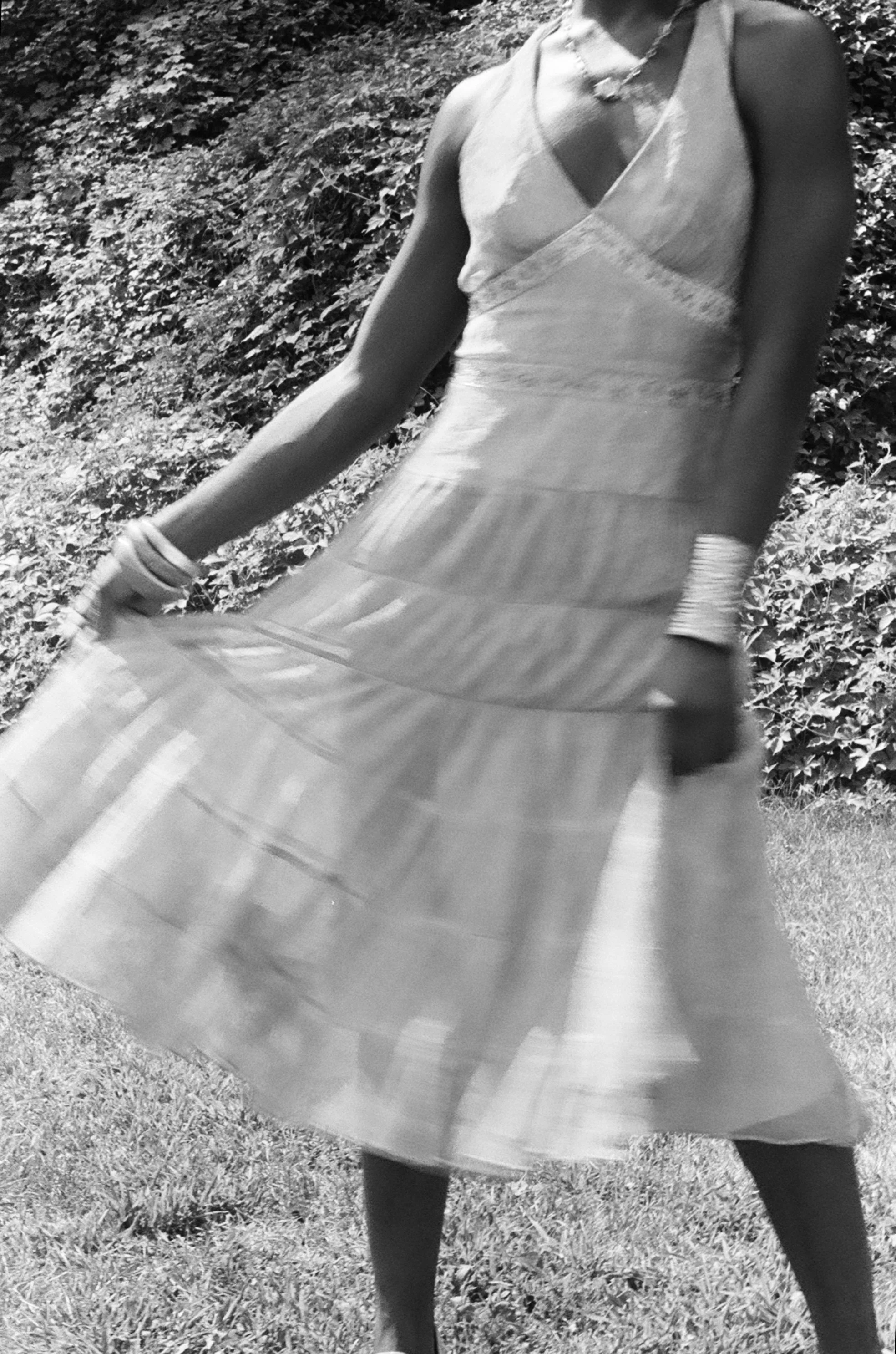
Nowadays, after graduating college, Jamie works a few different jobs, including go-go dancing at a 70s/80s themed bar. I smiled, imagining them dancing, as we once did in their dorm.
“At that job, we get a check from our employer, but it's also tip based. Nights when I left with like 15 bucks in my jar. I'd think, oh, my gosh, I can't dance. I'm literally terrible about this job. I'm gonna leave. And so that has been a serious practice in ego.” They rationalized this by considering their audience; many don’t carry cash on them anymore to provide tips and others could be enjoying their performance without thinking to give a tip, “but then it's this third more beautiful thing: I don't have to attach my skill to how much money I'm making, which is difficult because that's my job there. But I also do recognize that it's an outlet for dance for me that I have.”
Maybe what they create is just as infectious on nights where their jar isn’t filled to the brim.
The end goal could be the release they feel from dance and seeing others impacted by their movement, simply smiling and swaying along.
Though after a tough shift, they sometimes can’t avoid the self-doubt that creeps in. Instead of wallowing in it, they carry the feeling with them into the quiet night of their neighborhood,
“I found this little street that was really cute, and I was like, I'm gonna dance.”
Their limbs, unbound. Alone in the street, reclaiming it entirely for themself.
